Rooms I have worked in
15 projects, and
the 95 artifacts under them
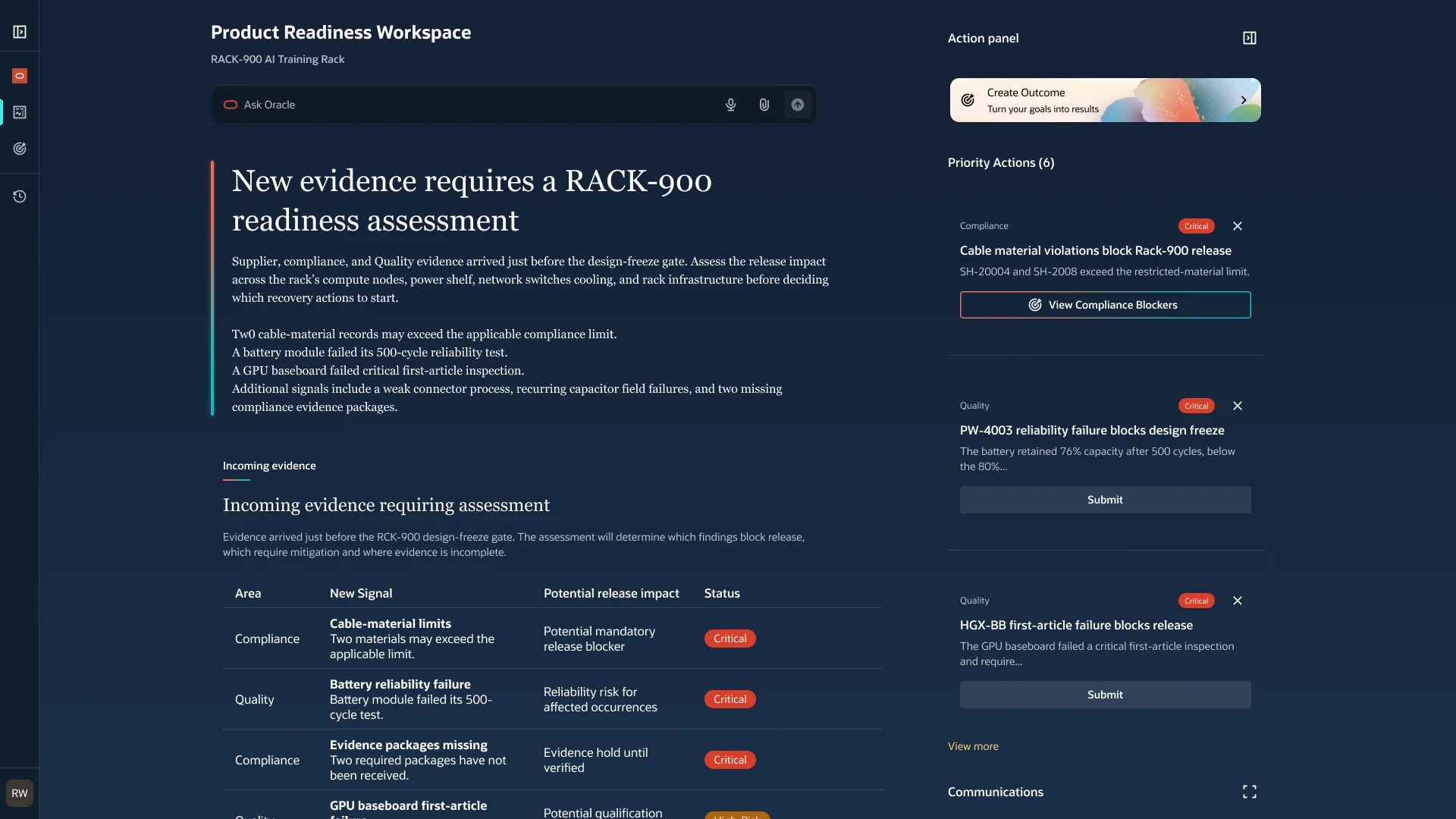
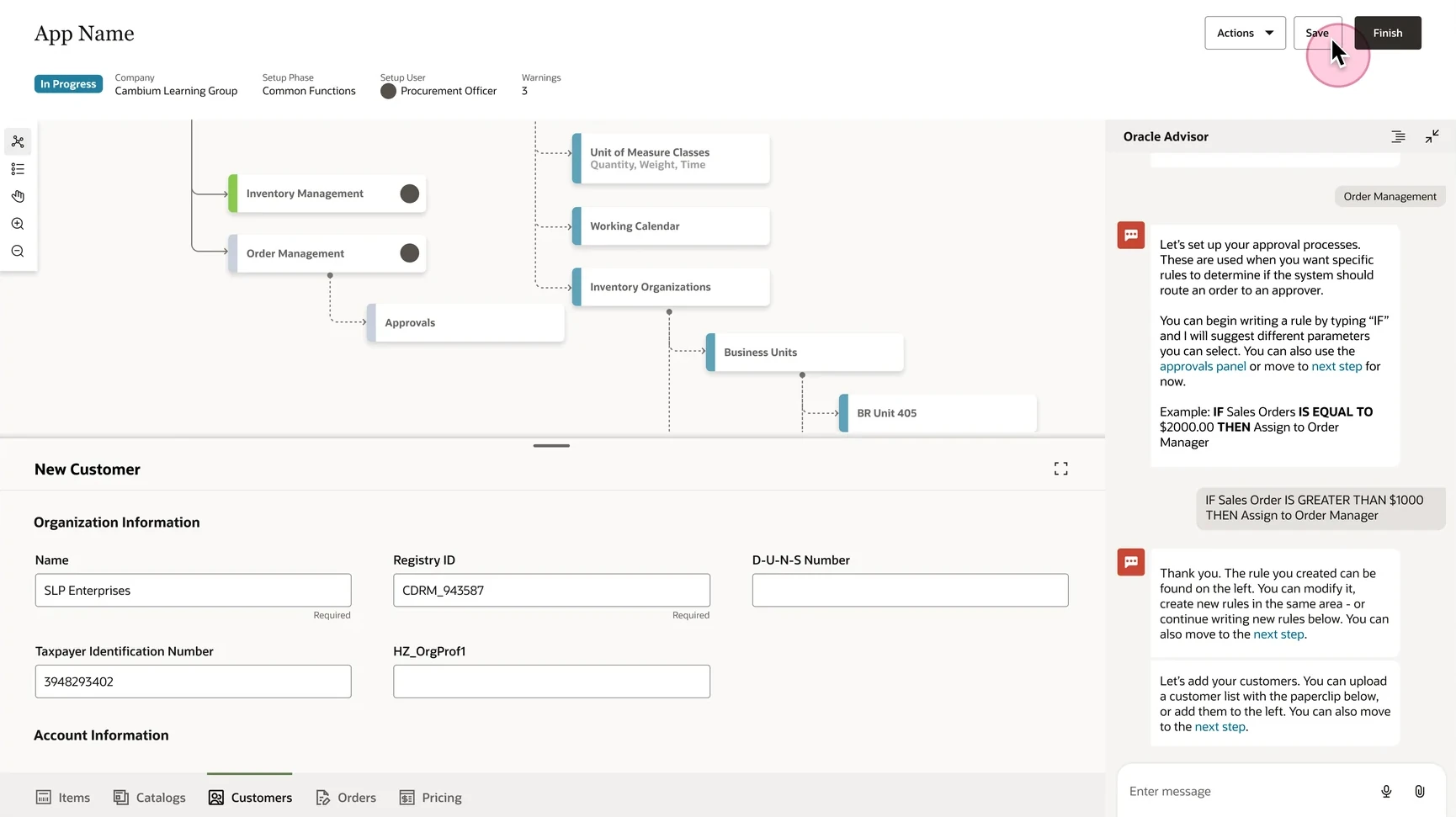
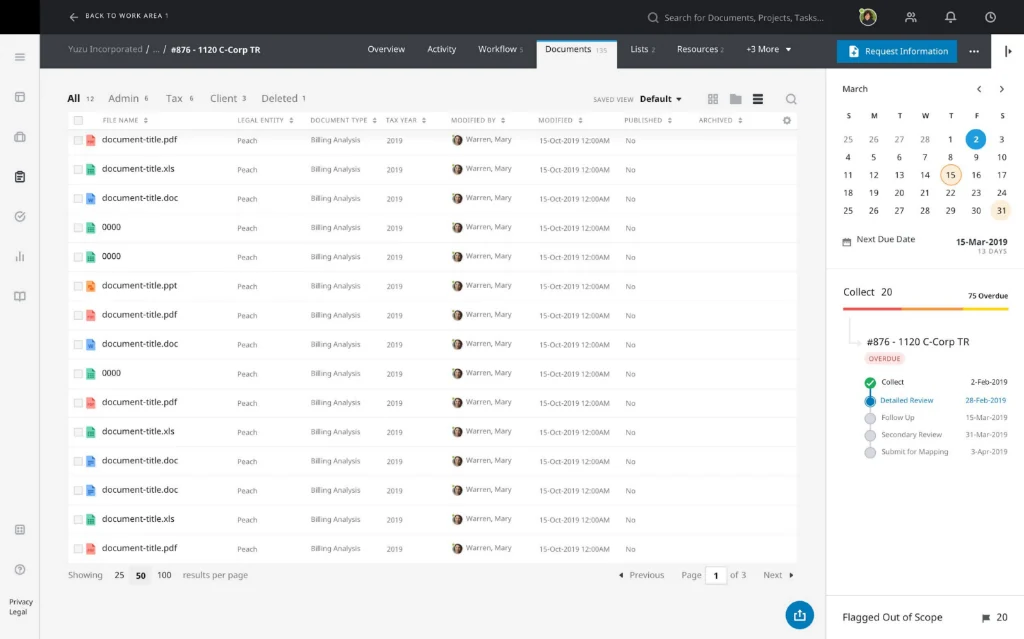
Most of the recent work is software that acts on a person's behalf, in industries where somebody has to answer for what it did. Which makes the design question a governance one: what may the system decide by itself, and how does it show its working. The drawings behind all of it are in the work index.
Recent work
5 case studies

Prior work
10 engagements · 2007–2018
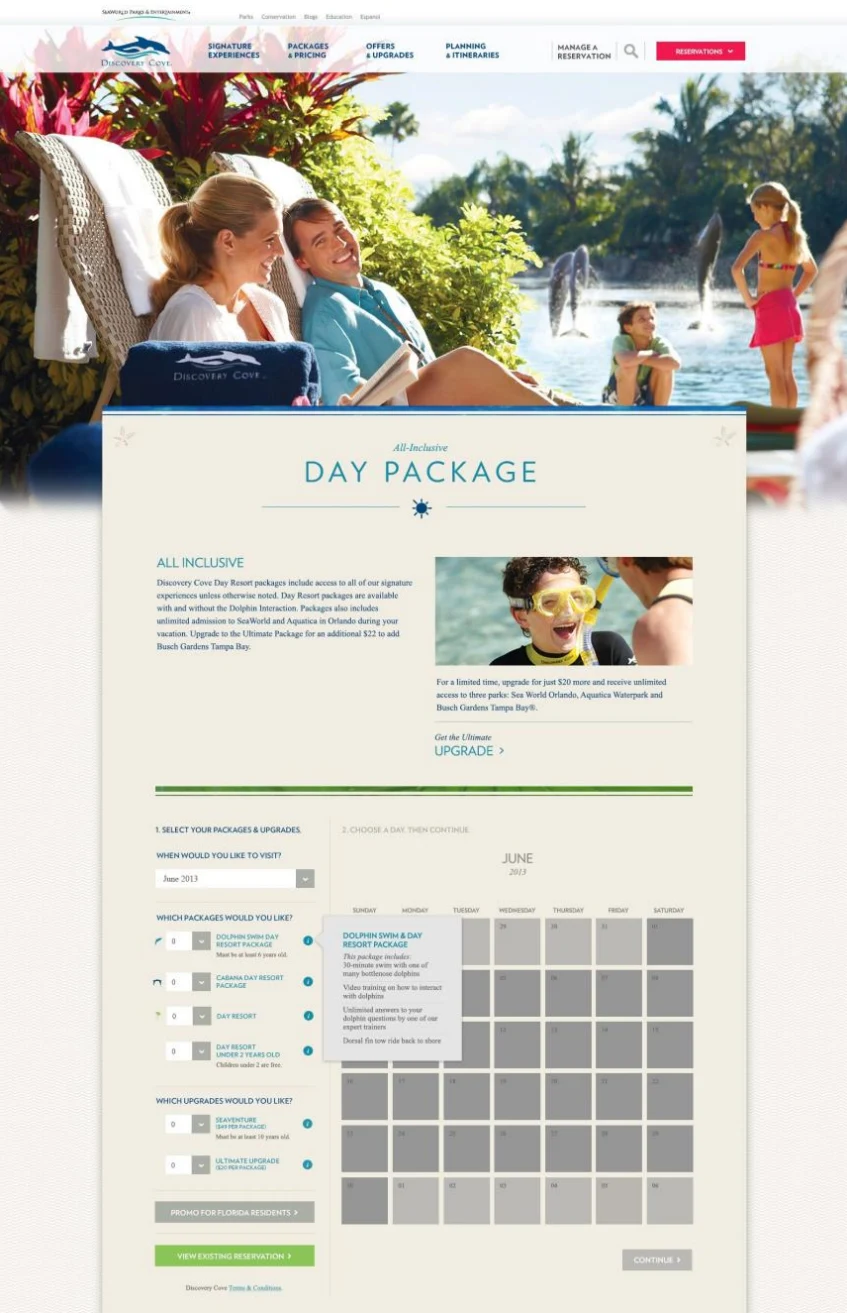
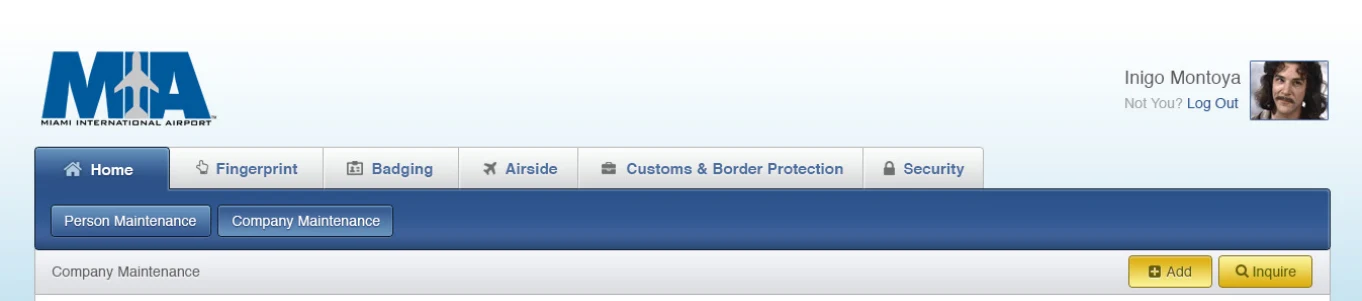
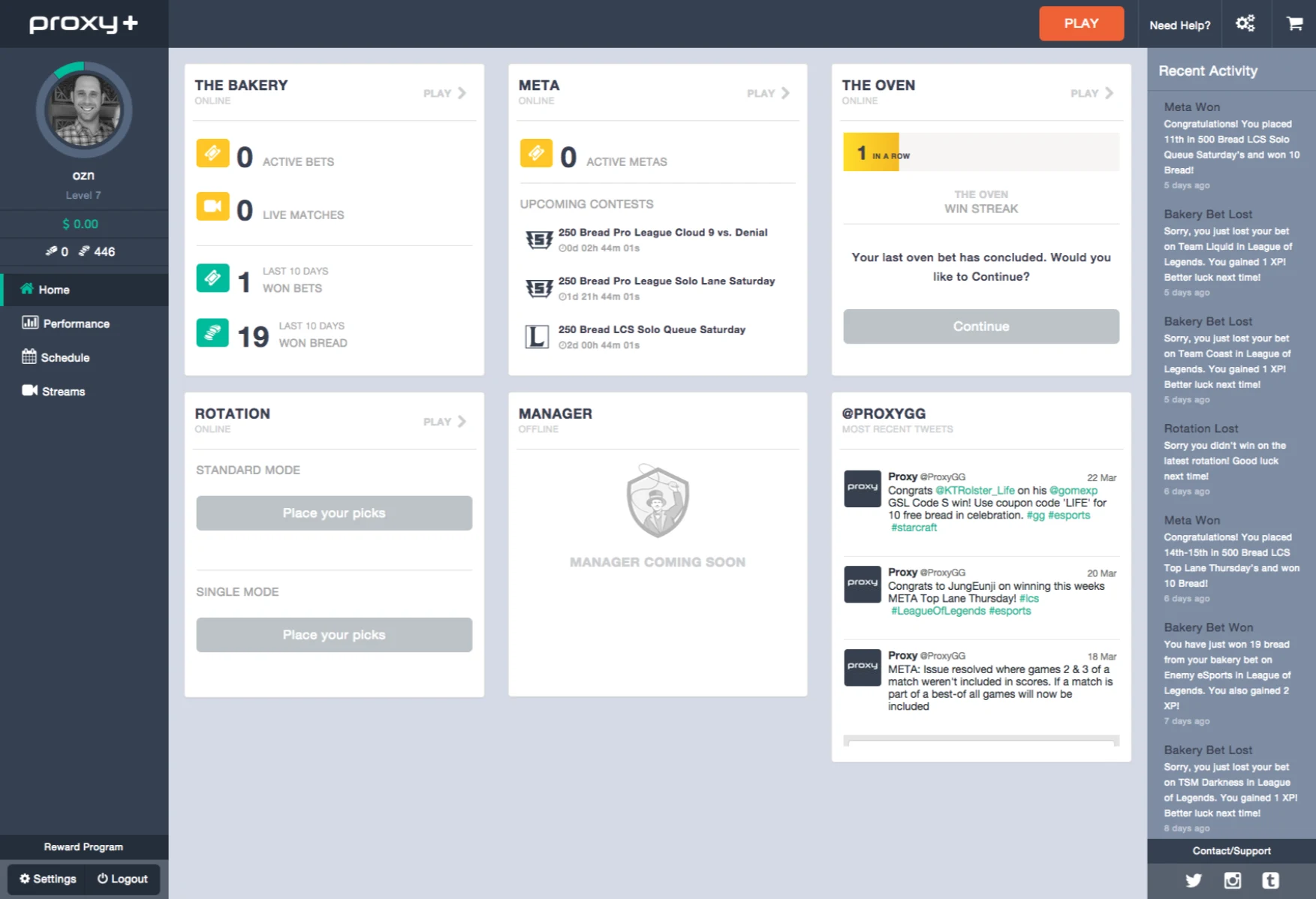
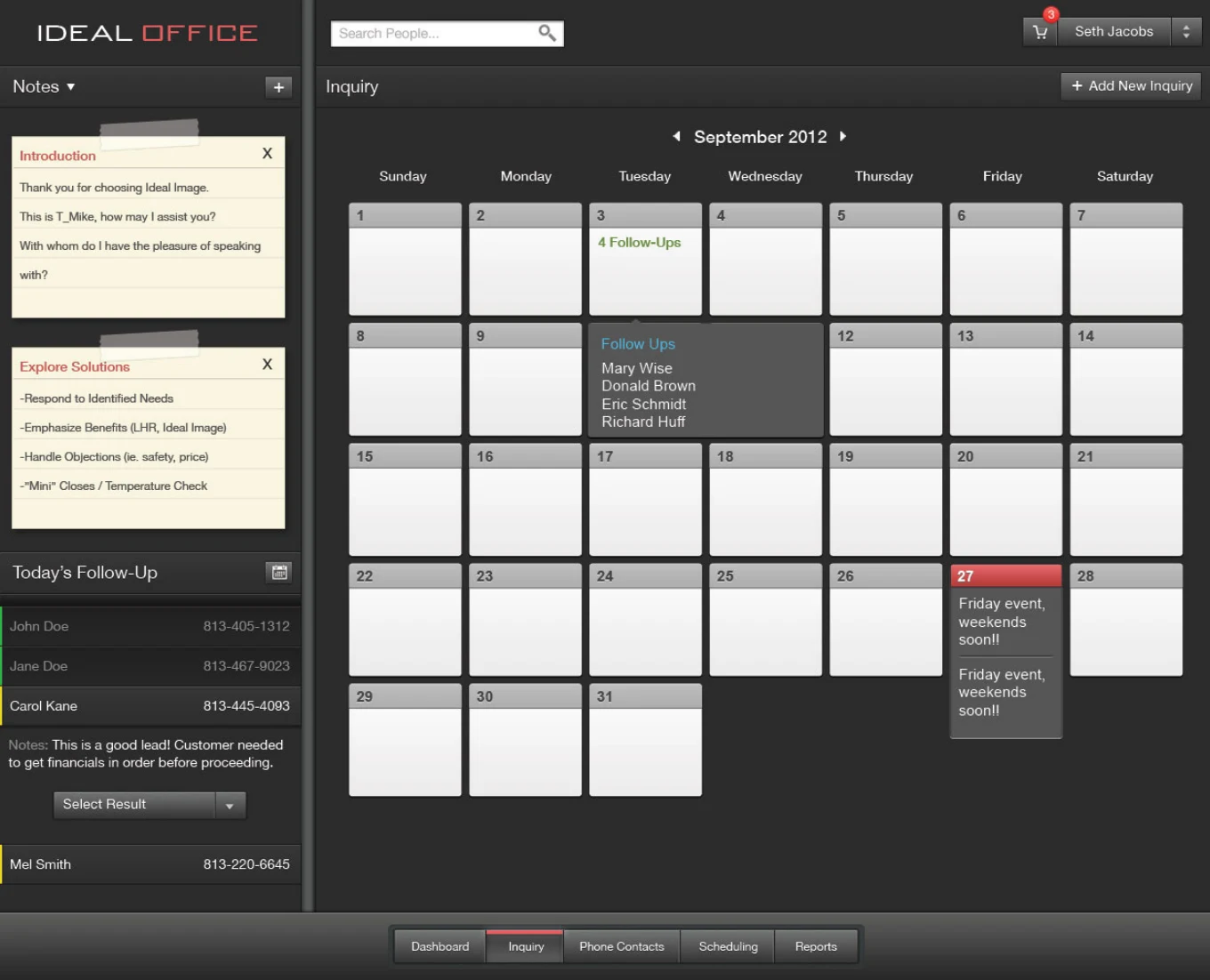
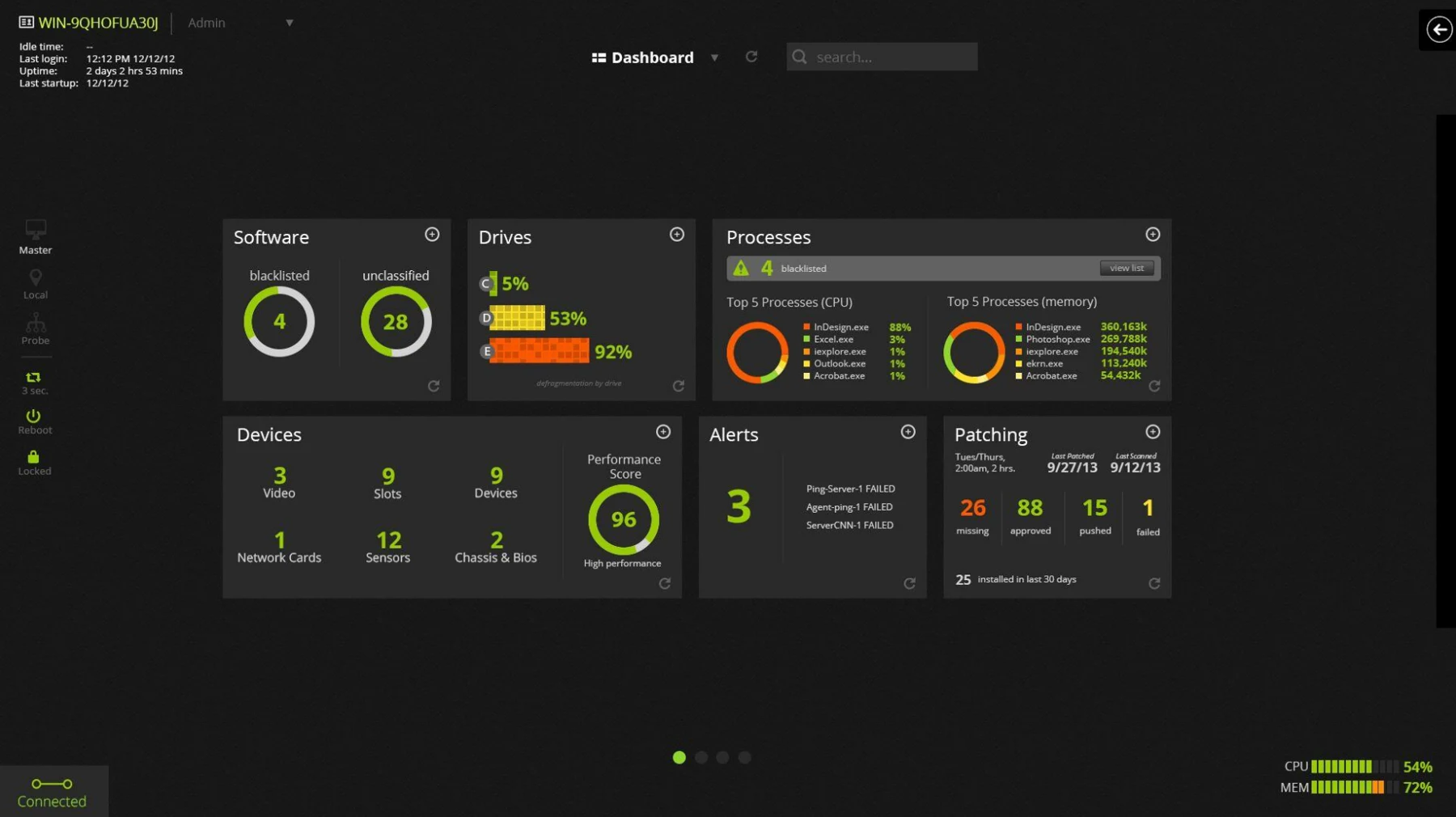
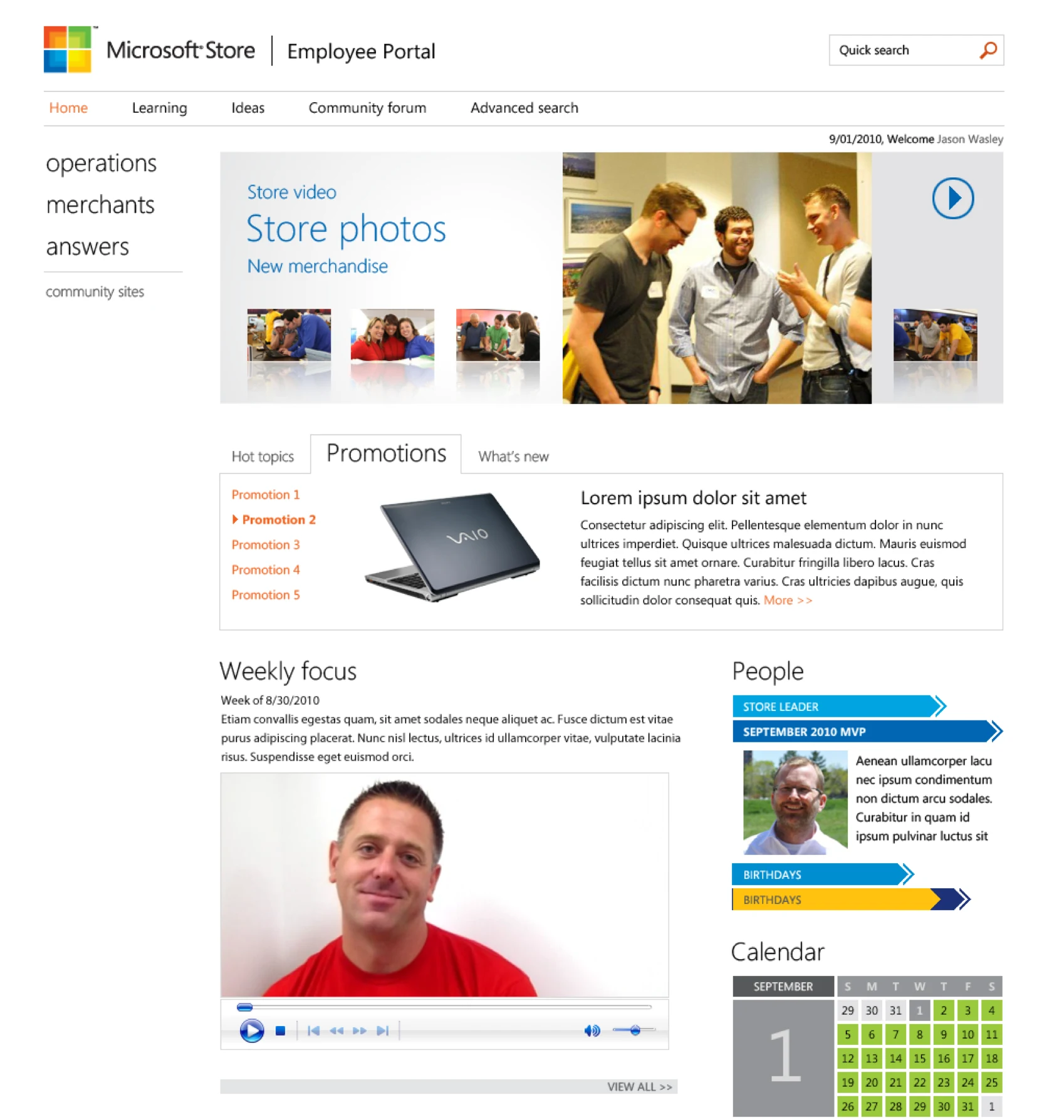
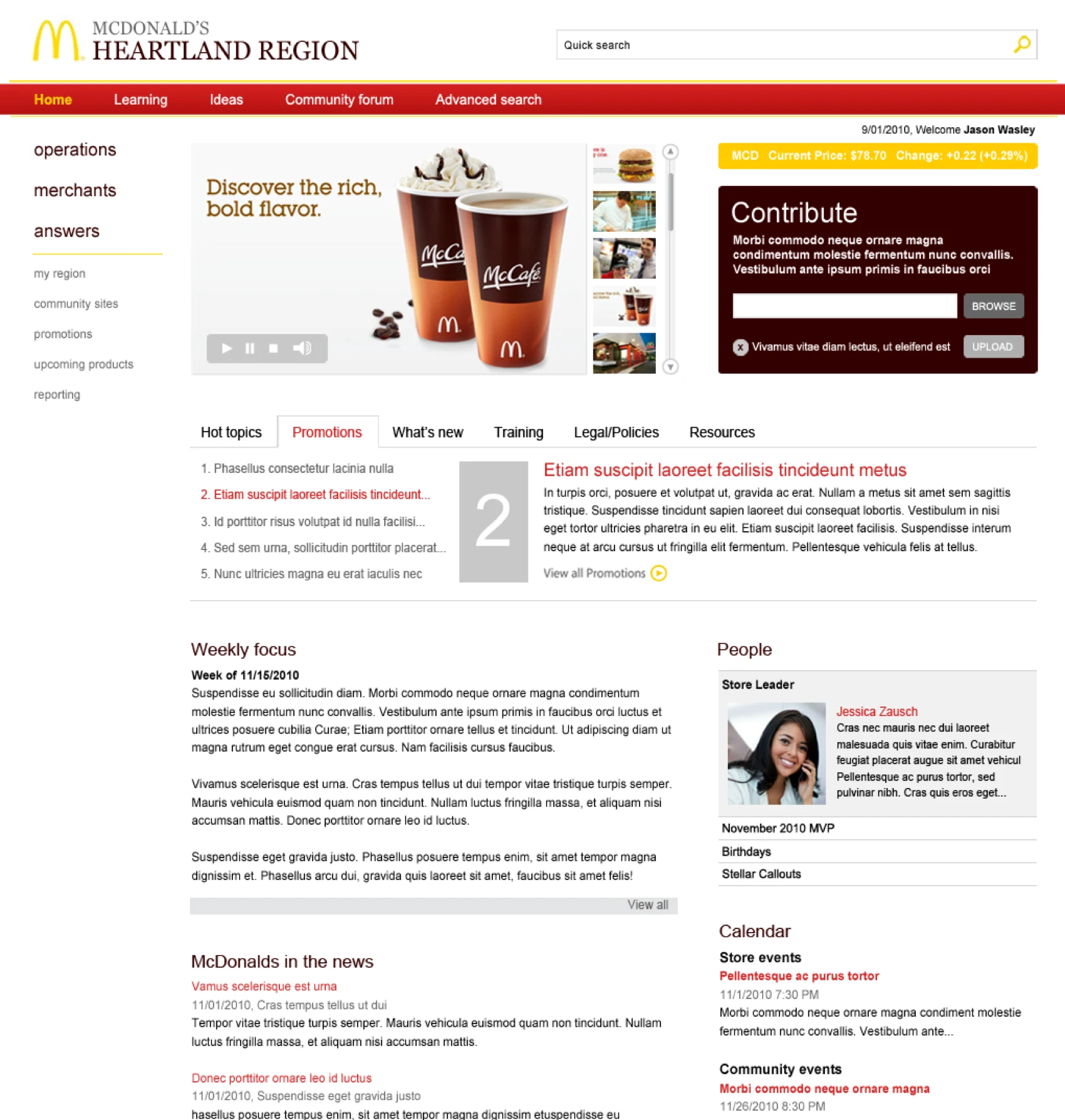
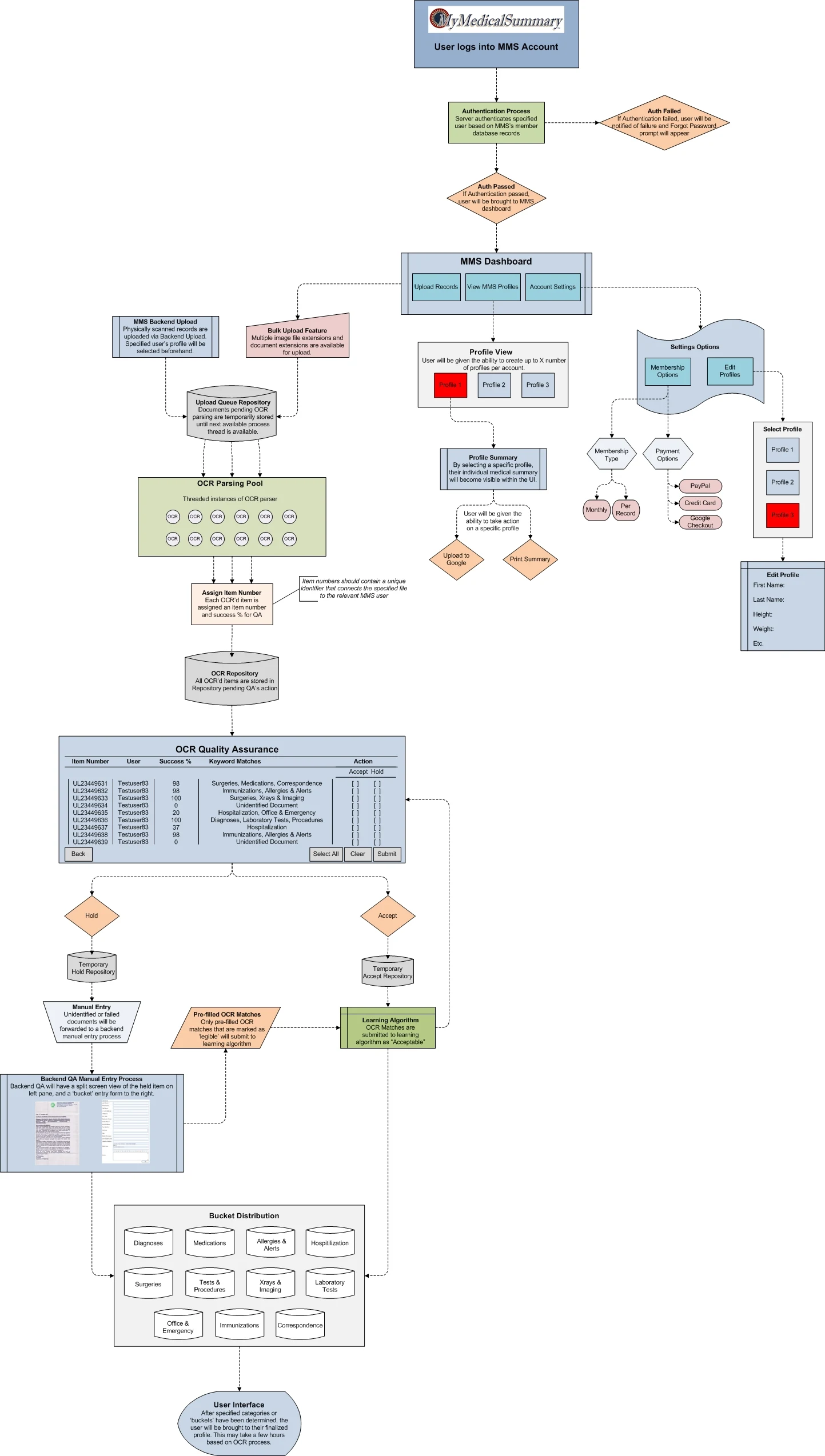
Older engagements, told briefly: what it was, what I did, and the screens that survive. Enough to see the range without asking you to read fifteen case studies.
The numbers I had to defend
Something I learned the slow way: a design argument travels much further when it's denominated in the units the room already thinks in. Hours, dollars, headcount. Each of these came out of a specific project, and each one links back to it.
What fifteen years of this taught me.
I've led the teams as well as done the work: a practice of eleven at AgileThought, the research team at Intersections, and now design direction for Oracle's Product Lifecycle Management line, twenty-six projects in.
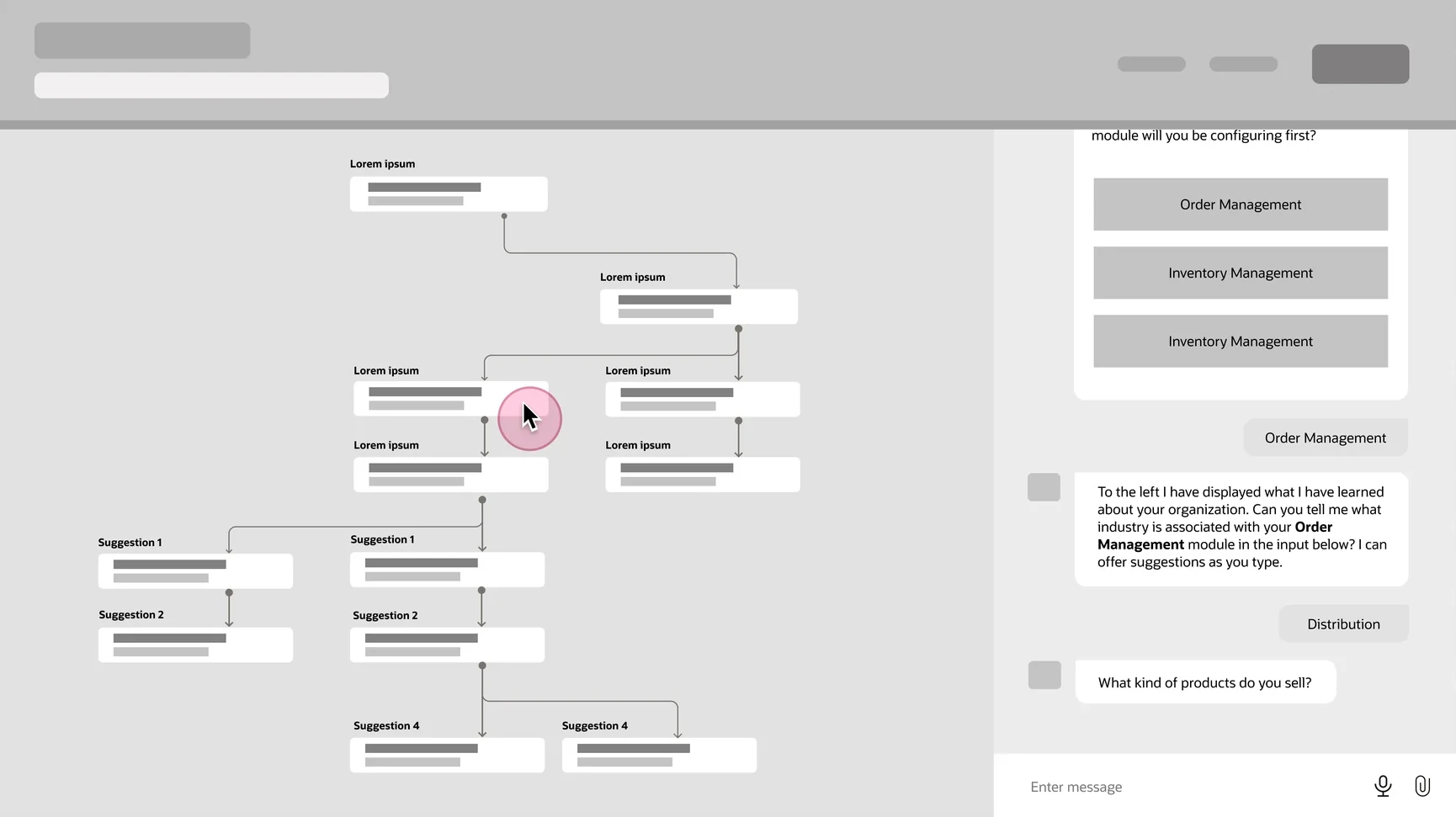
On software that acts on a person's behalf, the screen is rarely the hard part. The job is getting product, data science, engineering and compliance to agree on what the system may touch before anybody draws a frame. The line I hold, that it researches everything and approves nothing, started as my position on one project. Other Oracle teams build against it now.
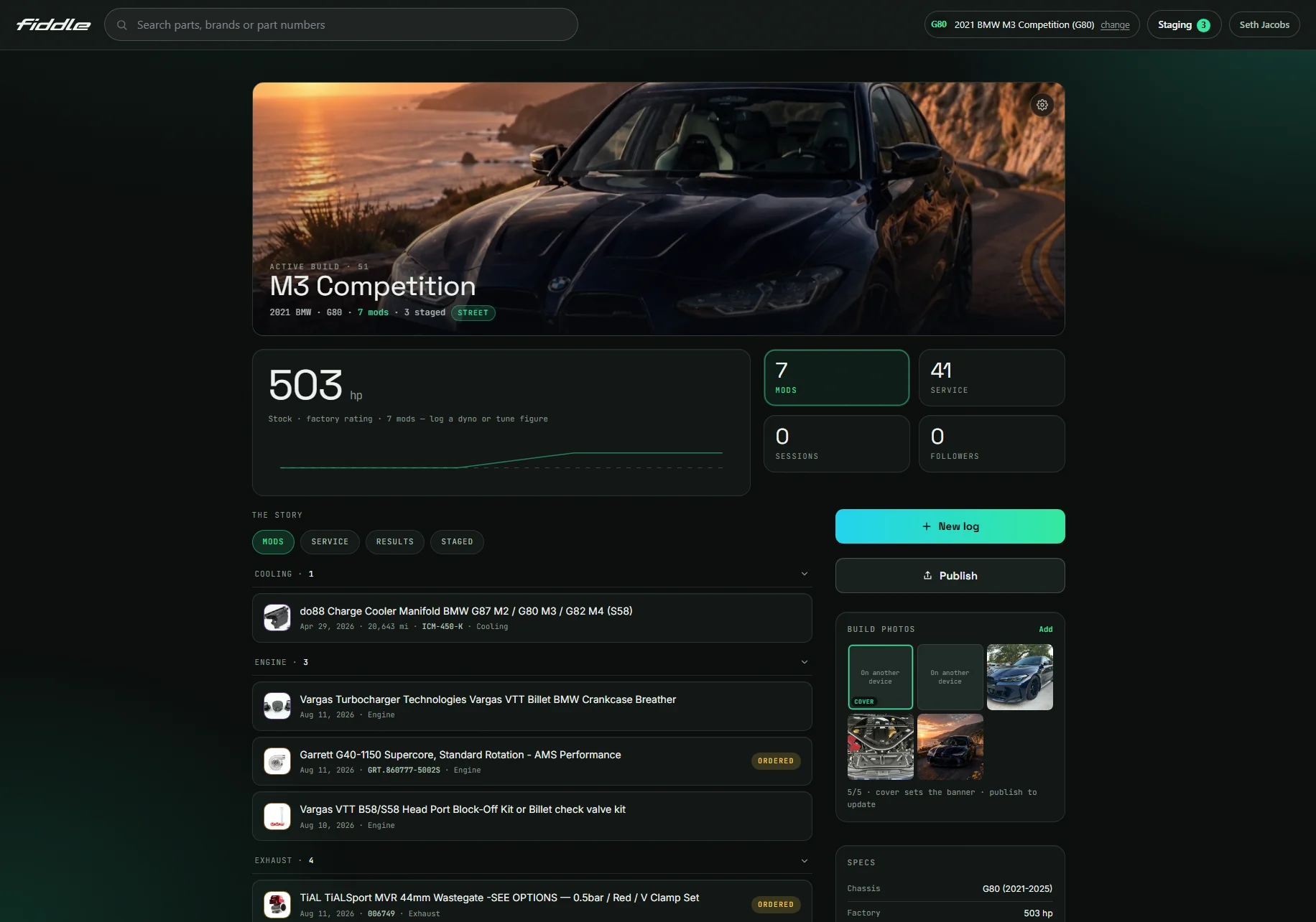
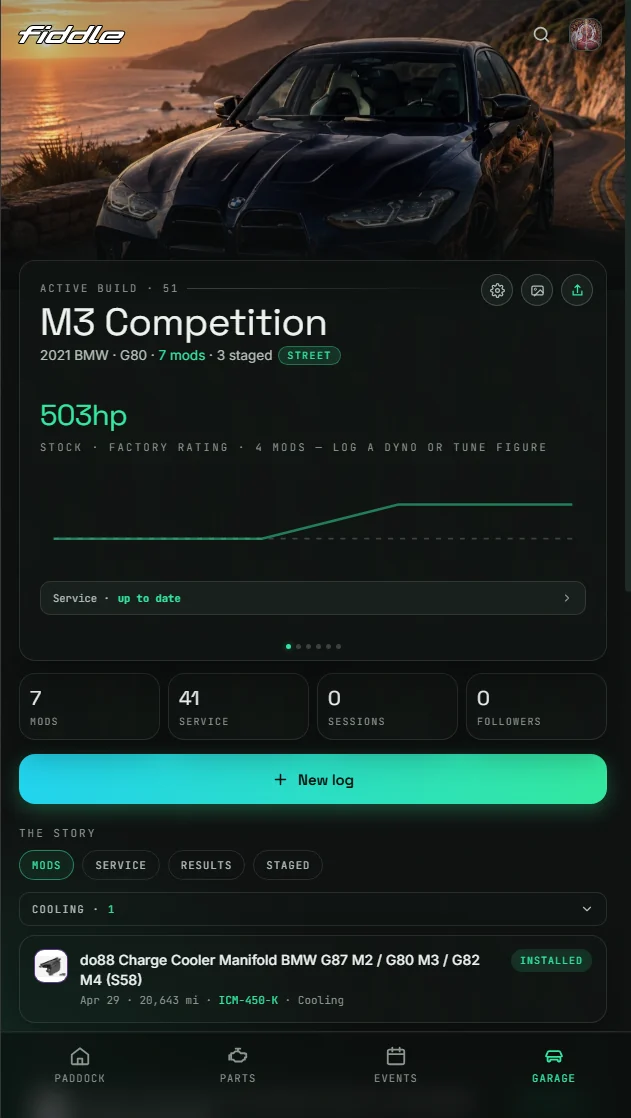
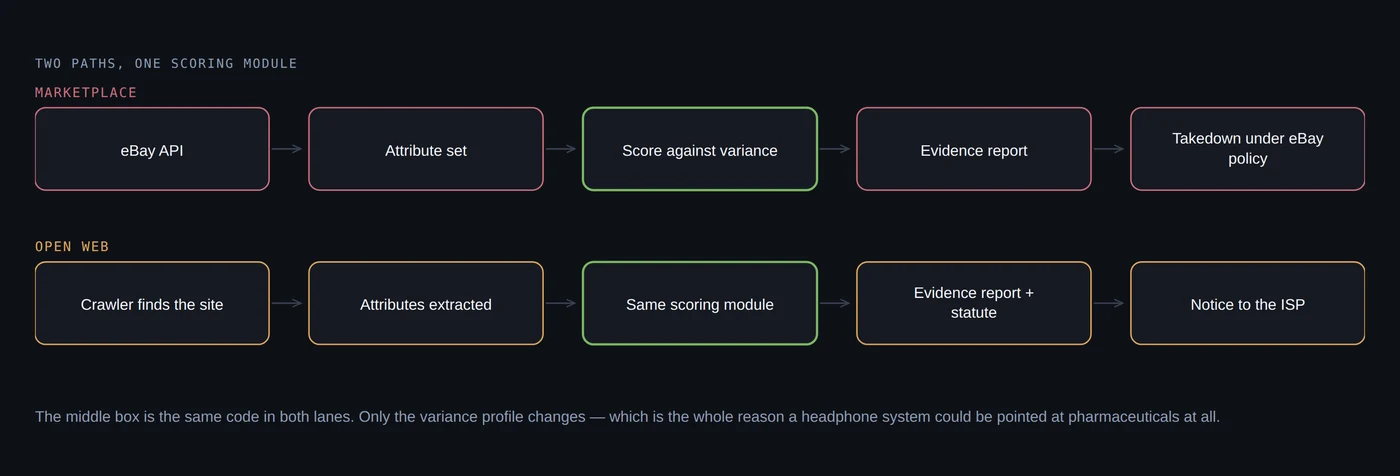
Much of that is regulated-industry work in supply-chain clothes; a RoHS blocker on a hardware gate is the same problem as a GxP gate. I've worked in pharma directly too, on a counterfeit-detection system for Pfizer and Eli Lilly. Nights and weekends I build Fiddle, which keeps me honest about what a model can and can't do.